
What Is IV Therapy?
IV therapy delivers fluid and nutrients straight into a vein instead of through your stomach. That is the whole of the mechanism, and everything else is detail.
This page explains how it works, what is actually in a drip, and what it does and does not do, without the marketing.
How It Works
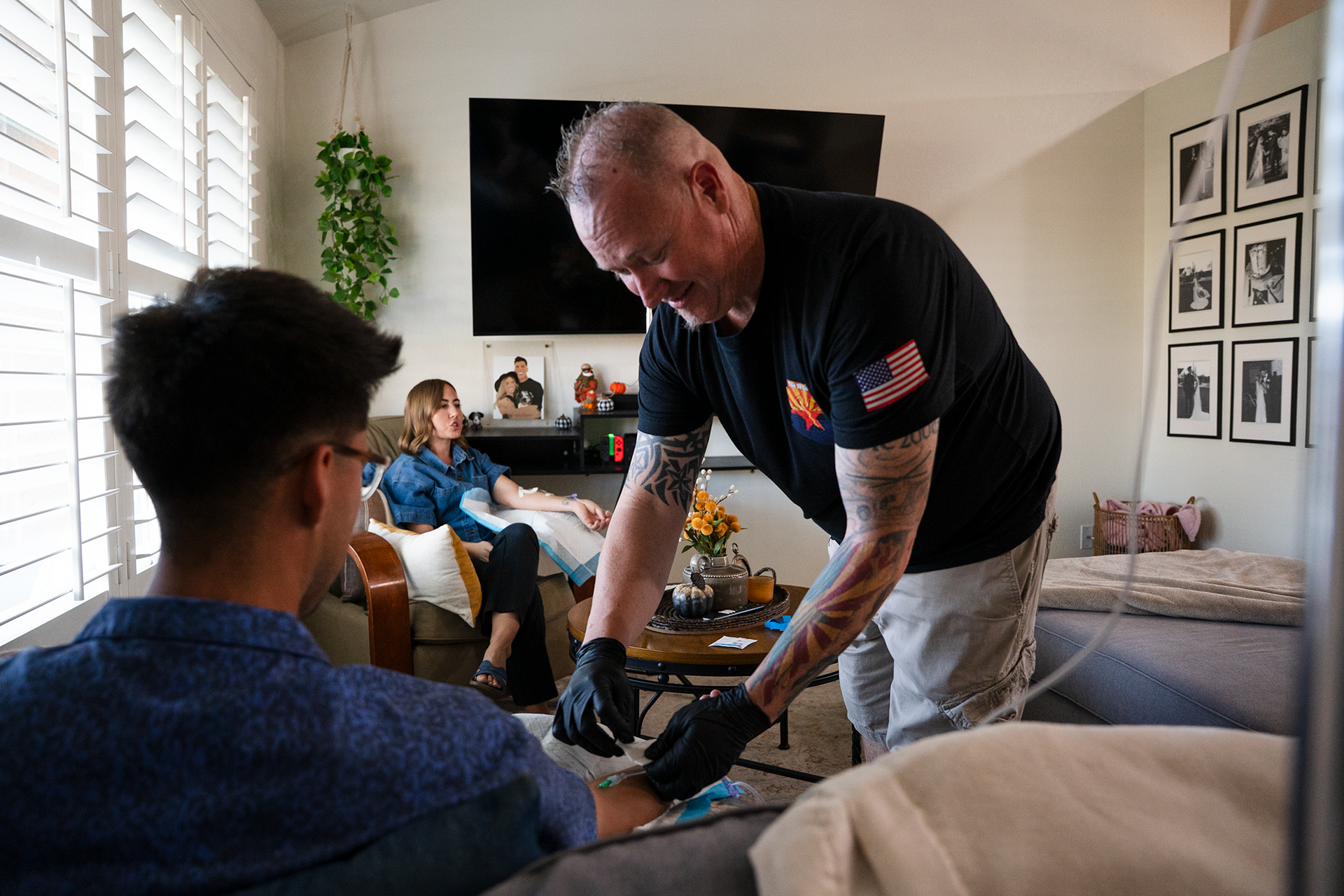
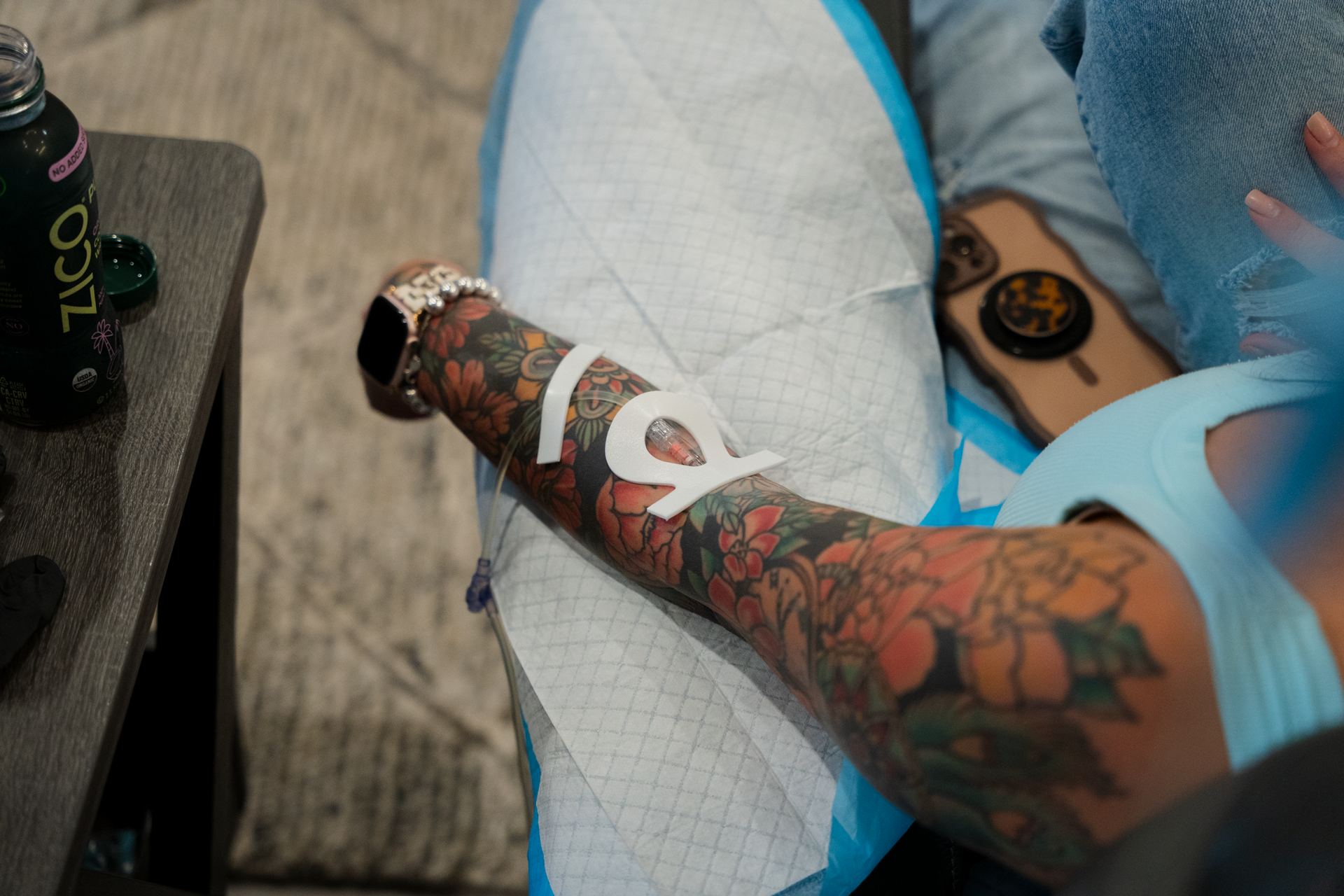
A small catheter goes into a vein, usually in the arm or the back of the hand. The needle comes out once the catheter is placed, and what stays behind is soft plastic, which is why you can bend your arm.
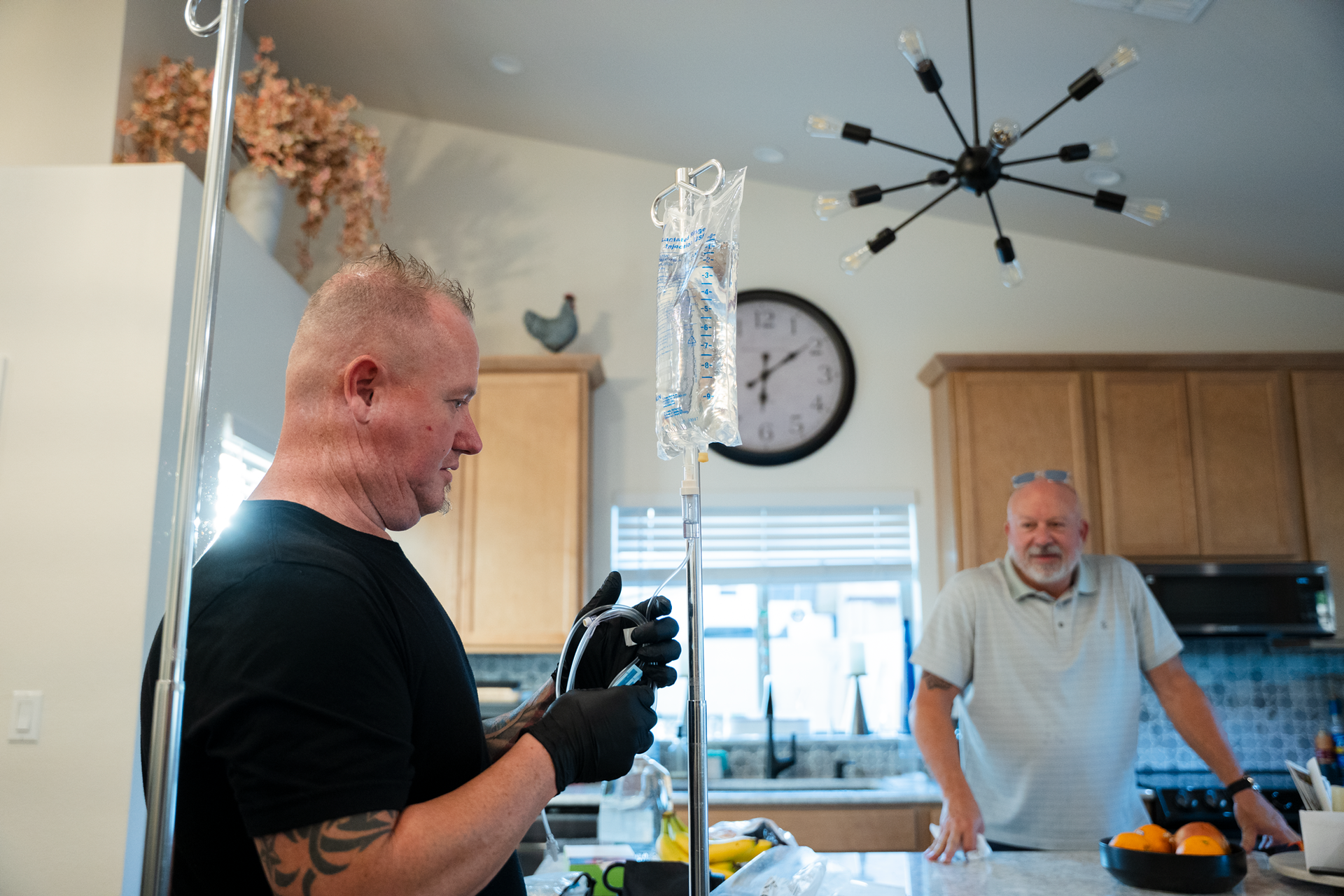
Fluid runs from a bag through tubing into that catheter. Gravity does most of the work, and the rate is controlled by whoever is treating you.
When the bag is done the catheter comes out, a bandage goes on, and that is the end of it. There is no recovery period for a standard infusion.
Why Not Just Drink Water
For mild dehydration, drinking is fine and it is cheaper. The IV earns its place in three situations.
When your stomach has stopped cooperating, which is the case with a bad stomach bug. Nothing you drink helps if it does not stay down.
When you need volume quickly. Water clears your stomach over an hour or two, and an IV does not have to wait for that.
And when plain water is not the answer. Sweating loses electrolytes as well as fluid, and drinking large amounts of plain water can dilute what you have left.
What Is Actually in a Drip
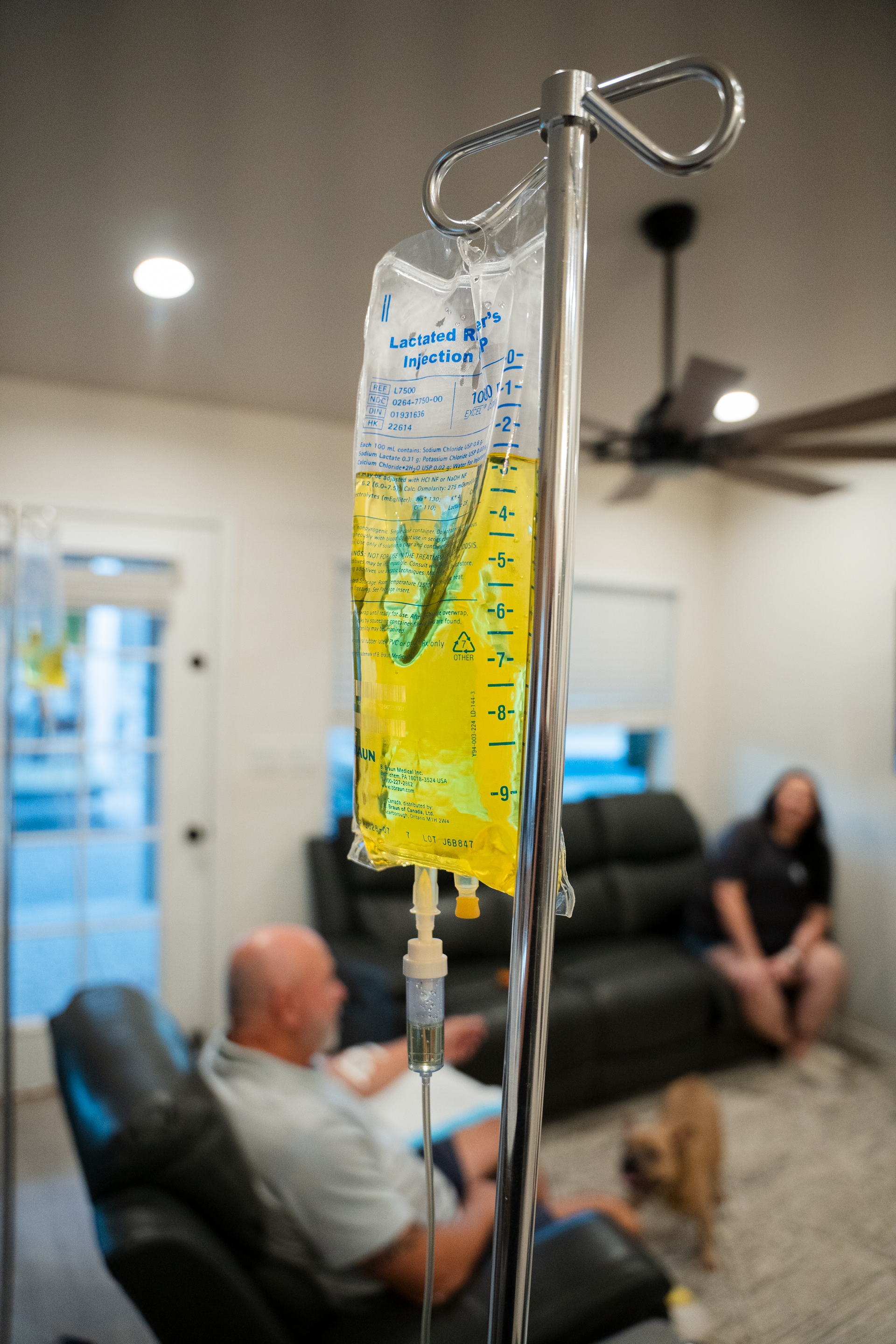
Fluid first. Ours is lactated ringers, a balanced electrolyte solution carrying sodium, chloride, potassium, calcium, and lactate, which sits closer to blood than plain saline.
Then whatever the specific formula adds. B vitamins, vitamin C, magnesium, zinc, glutathione, taurine, and B12 are the common ones across our menu.
Support add-ons for nausea, pain, or inflammation are separate, require provider approval, and are not part of a standard drip.g
What It Does Not Do
It does not cure anything, and any company using that word about an IV is telling you something about themselves.
It does not treat a diagnosed condition. If something is wrong and nobody has looked, an infusion manages the feeling rather than answering the question.
And it does not replace sleep, food, or water. Those do more than any drip, and a service that will not tell you so is selling rather than advising.
What to Ask Before You Book Anybody
Who is placing the line and what is their license or certification. Who is the medical director and are they a physician. Does somebody stay for the whole infusion.
What happens if you decide I should not be treated, and am I charged. What is the total price including any call-out or travel fee. And what happens if I react to something.
Those six questions separate the companies worth using from the ones that are not, and any company that finds them awkward has told you something useful.
Arizona Makes This Different
Most of what gets written about IV therapy assumes a temperate climate. Here, dehydration is not an occasional event, it is a background condition for four or five months of the year.
Thirst arrives late, humidity in monsoon season makes sweating less effective, and people who work outdoors carry a deficit that builds across a season rather than a day. That changes who needs this and how often.
The Short Version
If you take one thing from this page, take this. An IV is a useful tool for hydration and nutrient delivery, it is not medicine for a diagnosed condition, and the company giving it to you should be willing to tell you both of those things.
Anyone promising more than that is describing a product rather than a procedure, and in a state this hot there is more than enough honest demand without overselling it.
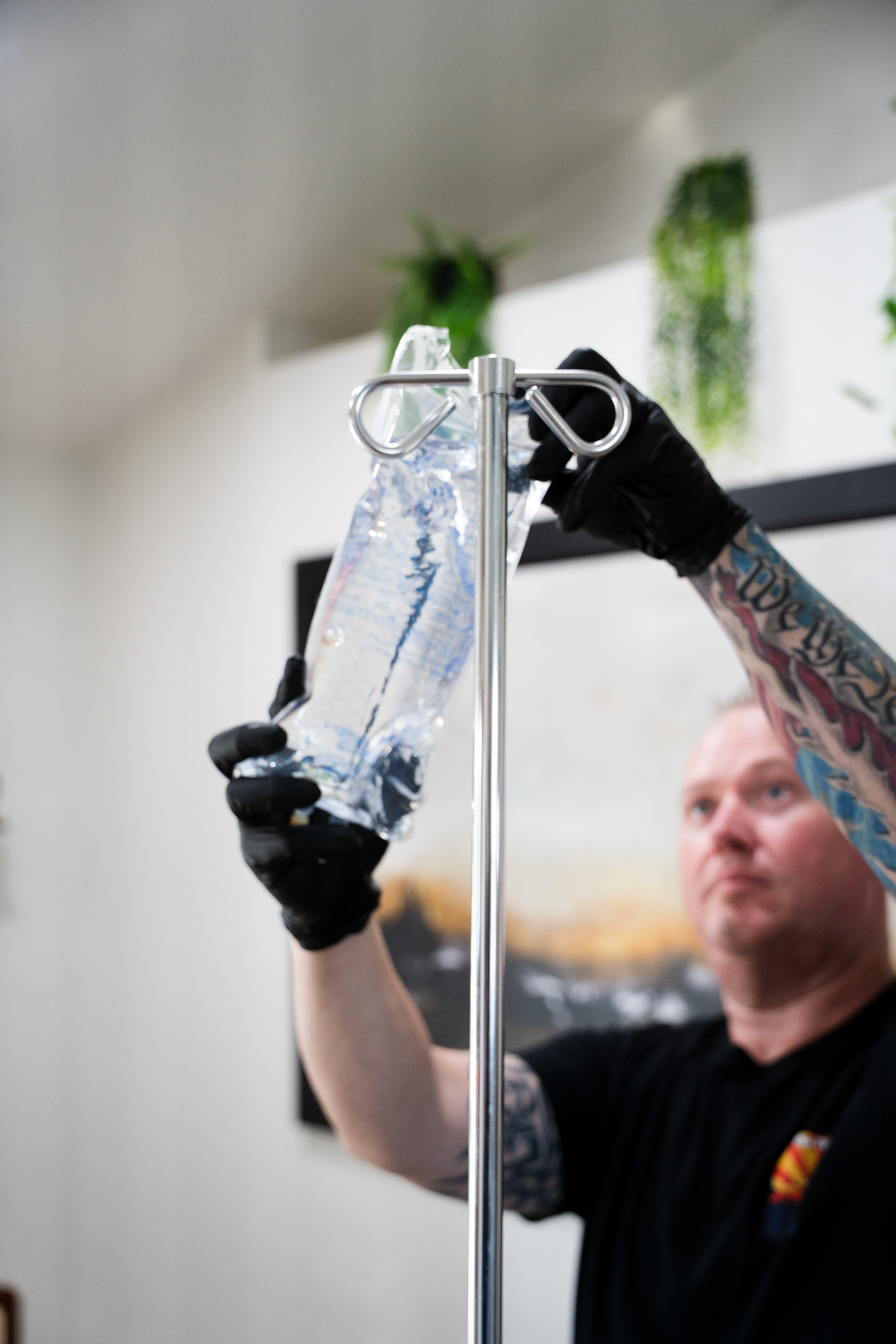
How We Do It
The IV Guy AZ runs 24 hours a day across 22 cities in the Phoenix metro and West Valley. Paramedics and nurses, working under the medical direction of an emergency medicine trained physician, with no call-out charge anywhere in the service area.