
Age Guidelines
We treat from age 10 upward. Anyone between 10 and 17 needs a parent or guardian present for the entire appointment.
Most mobile IV companies in this market do not publish an age policy at all, which is why this page exists.
The Policy
Ten and up. Under 18 means a parent or legal guardian present for the whole visit, not reachable by phone and not next door.
The guardian is part of the health review. They provide the history and they consent, and they stay in the room.
Under 10 we do not treat. That is a line rather than a case by case decision.

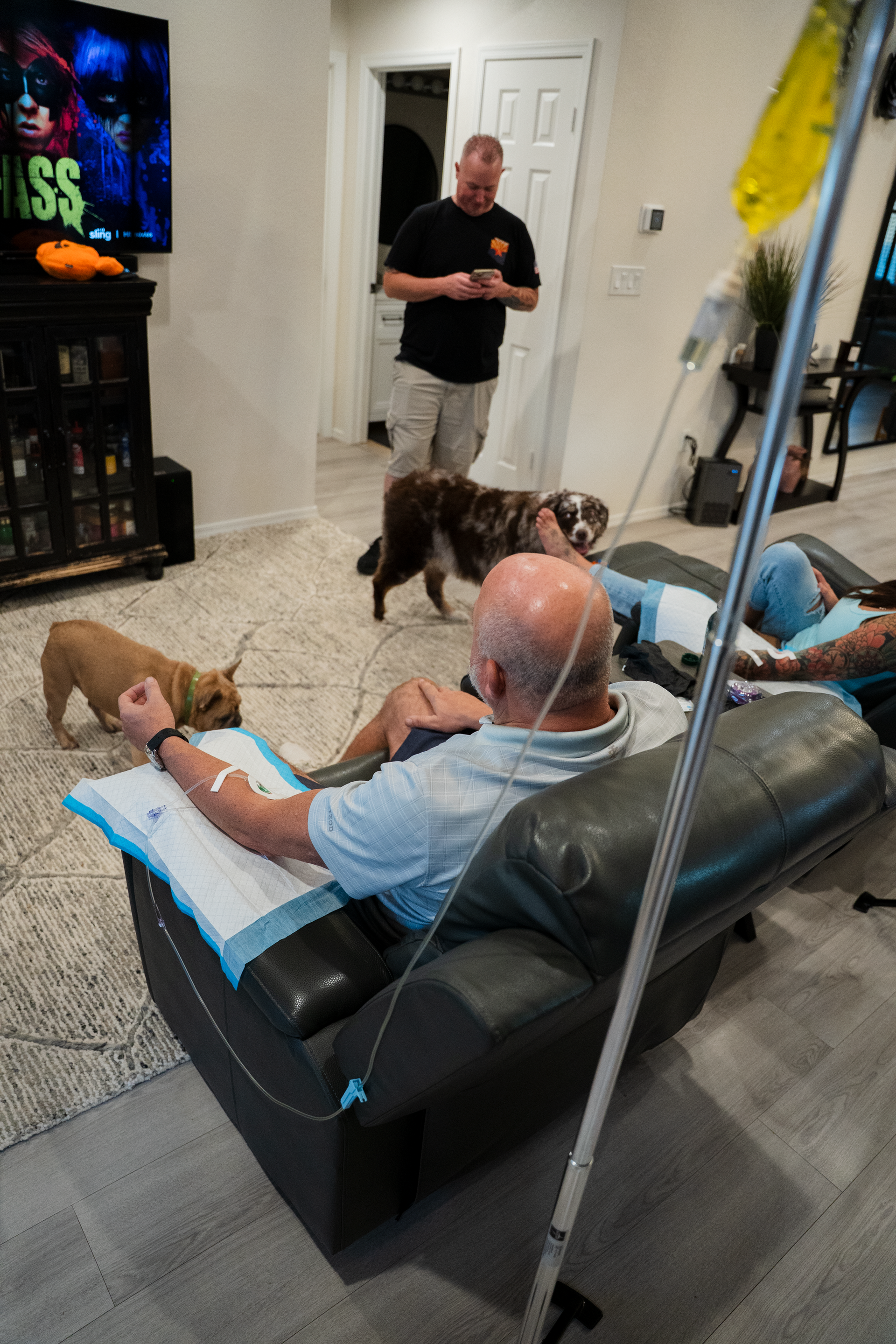
Why Age Matters
Dosing considerations differ for younger patients, and the margins are narrower than in adults. Access is also harder, since smaller veins and a nervous patient are a different job from a cooperative adult.
Our team includes people who have spent careers in emergency medicine, where treating young patients is routine rather than exceptional. That is the background this policy rests on.
It is also why the guardian requirement is not negotiable. A child cannot consent, and somebody who knows their history needs to be there.
When to Go Elsewhere
This is the important part of this page. A child who is significantly dehydrated, lethargic, not producing urine, running a high fever, or getting worse rather than better belongs in a pediatric emergency department.
We will tell you that rather than take the booking, and we would rather turn away business than take one we should not.
If you are worried enough to be searching at two in the morning, call your pediatrician or go in. Our team has spent their careers making exactly that call and they will make it honestly.
What a Visit Looks Like for a Teenager
Same process as an adult, with the guardian present throughout. We explain what is happening at whatever level the young person can handle, and we do not pretend it will not pinch.
Most drips are 30 to 45 minutes. Bring something for them to do, and let them have some control over small things like which arm.
If they are too distressed to proceed safely, we stop. Rescheduling is a perfectly good outcome and forcing it is not.


What to Ask Before You Book Anybody
Who is placing the line and what is their license or certification. Who is the medical director and are they a physician. Does somebody stay for the whole infusion.
What happens if you decide I should not be treated, and am I charged. What is the total price including any call-out or travel fee. And what happens if I react to something.
Those six questions separate the companies worth using from the ones that are not, and any company that finds them awkward has told you something useful.
Arizona Makes This Different
Most of what gets written about IV therapy assumes a temperate climate. Here, dehydration is not an occasional event, it is a background condition for four or five months of the year.
Thirst arrives late, humidity in monsoon season makes sweating less effective, and people who work outdoors carry a deficit that builds across a season rather than a day. That changes who needs this and how often.
The Short Version
If you take one thing from this page, take this. An IV is a useful tool for hydration and nutrient delivery, it is not medicine for a diagnosed condition, and the company giving it to you should be willing to tell you both of those things.
Anyone promising more than that is describing a product rather than a procedure, and in a state this hot there is more than enough honest demand without overselling it.
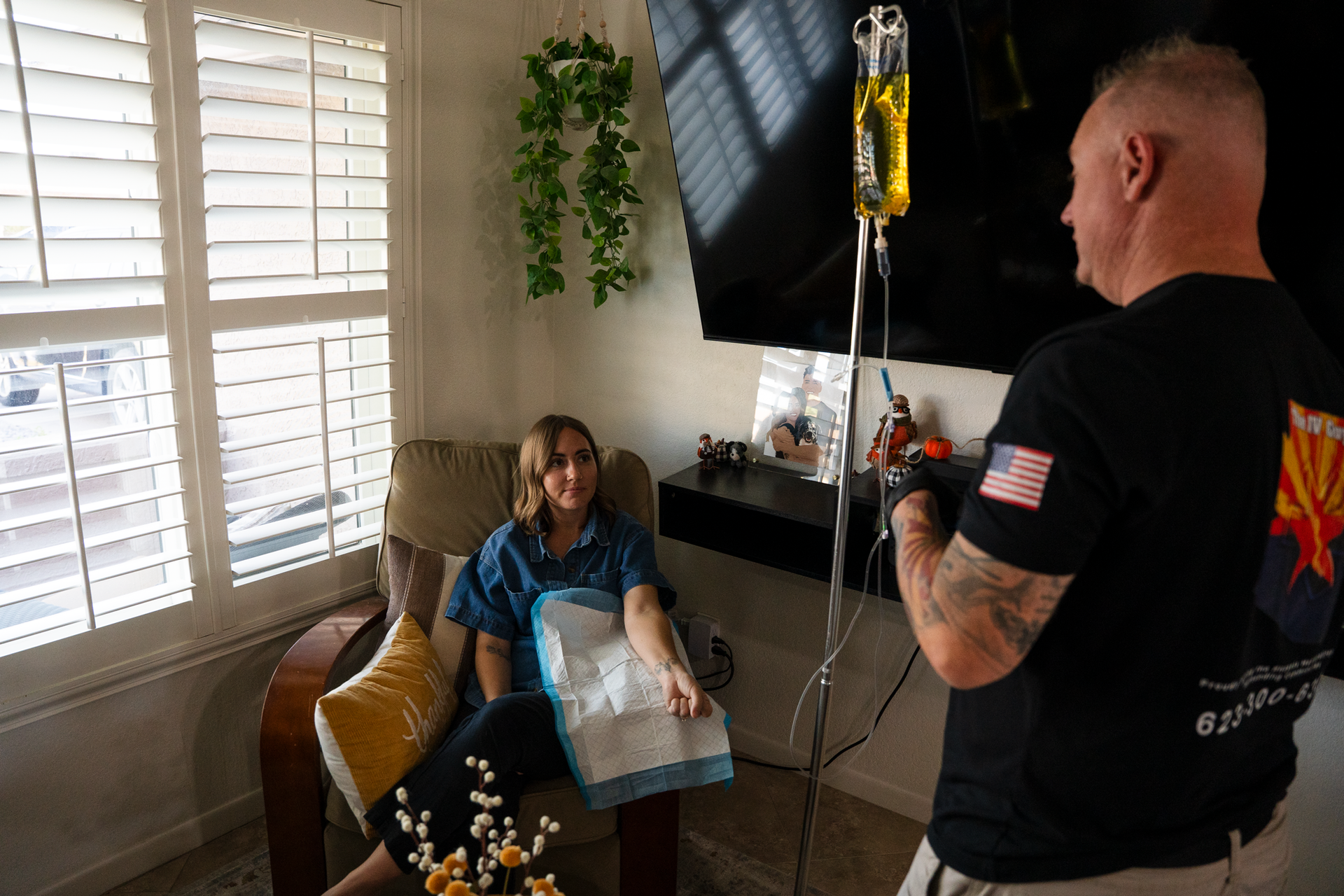
How We Do It
The IV Guy AZ runs 24 hours a day across 22 cities in the Phoenix metro and West Valley. Paramedics and nurses, working under the medical direction of an emergency medicine trained physician, with no call-out charge anywhere in the service area.