
Is IV Therapy Safe?
IV therapy is a routine procedure done millions of times a day in hospitals. The risk is low and it is not zero, and the difference between the two comes down to who is doing it and whether they screened you properly.
This page covers what can go wrong, who should not have an infusion, and what to ask any company before you let them put a line in your arm.
What Makes It Safe or Not
Three things. Whether the person placing the line knows what they are doing, whether you were screened before it started, and whether somebody stays with you while it runs.
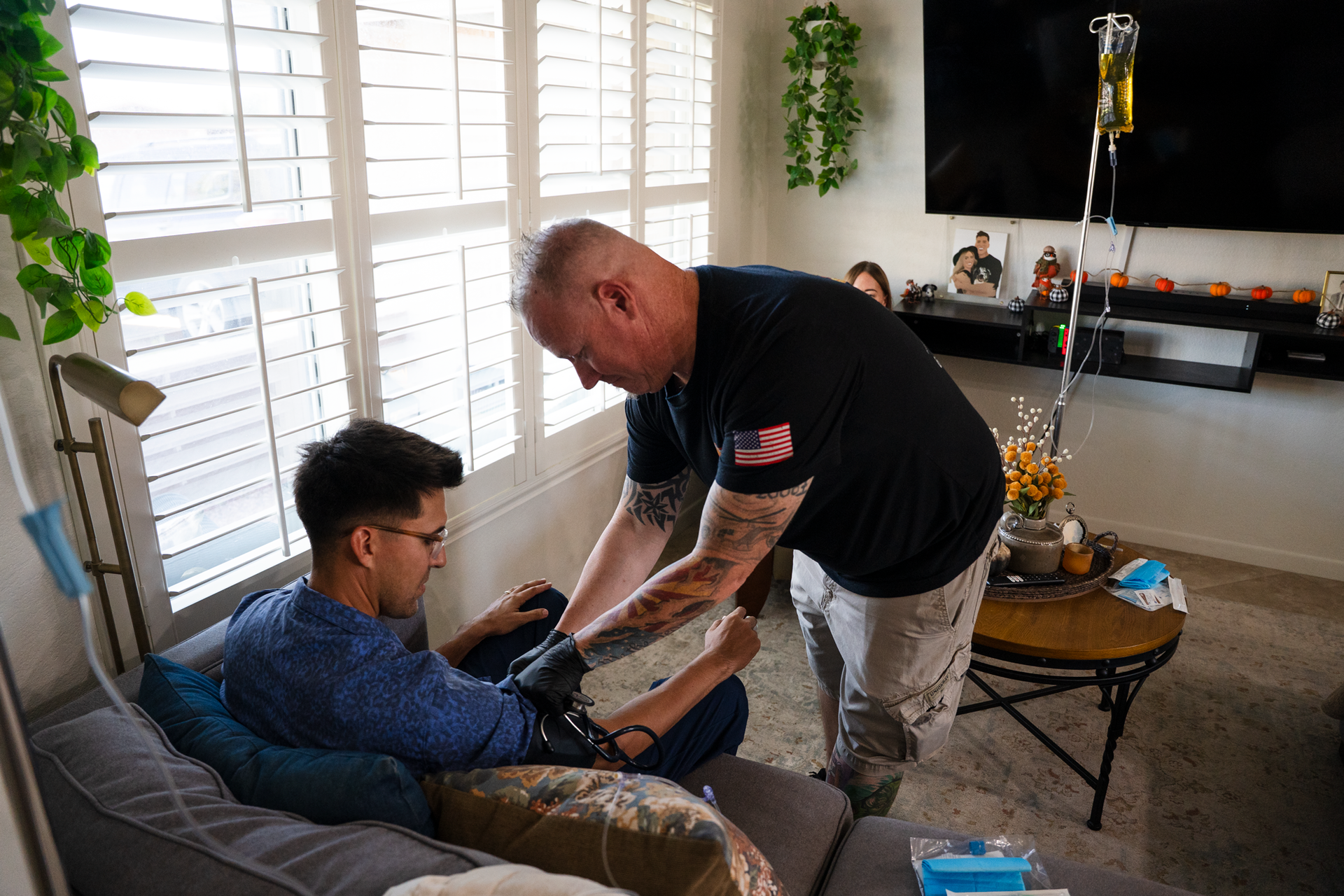
Our team came out of fire service and emergency medicine and works under the medical direction of an emergency physician. Whoever arrives stays for the whole infusion rather than starting it and leaving.
The screening is not a formality. It covers your history, your medications, your allergies, and anything that has gone wrong with an IV before.
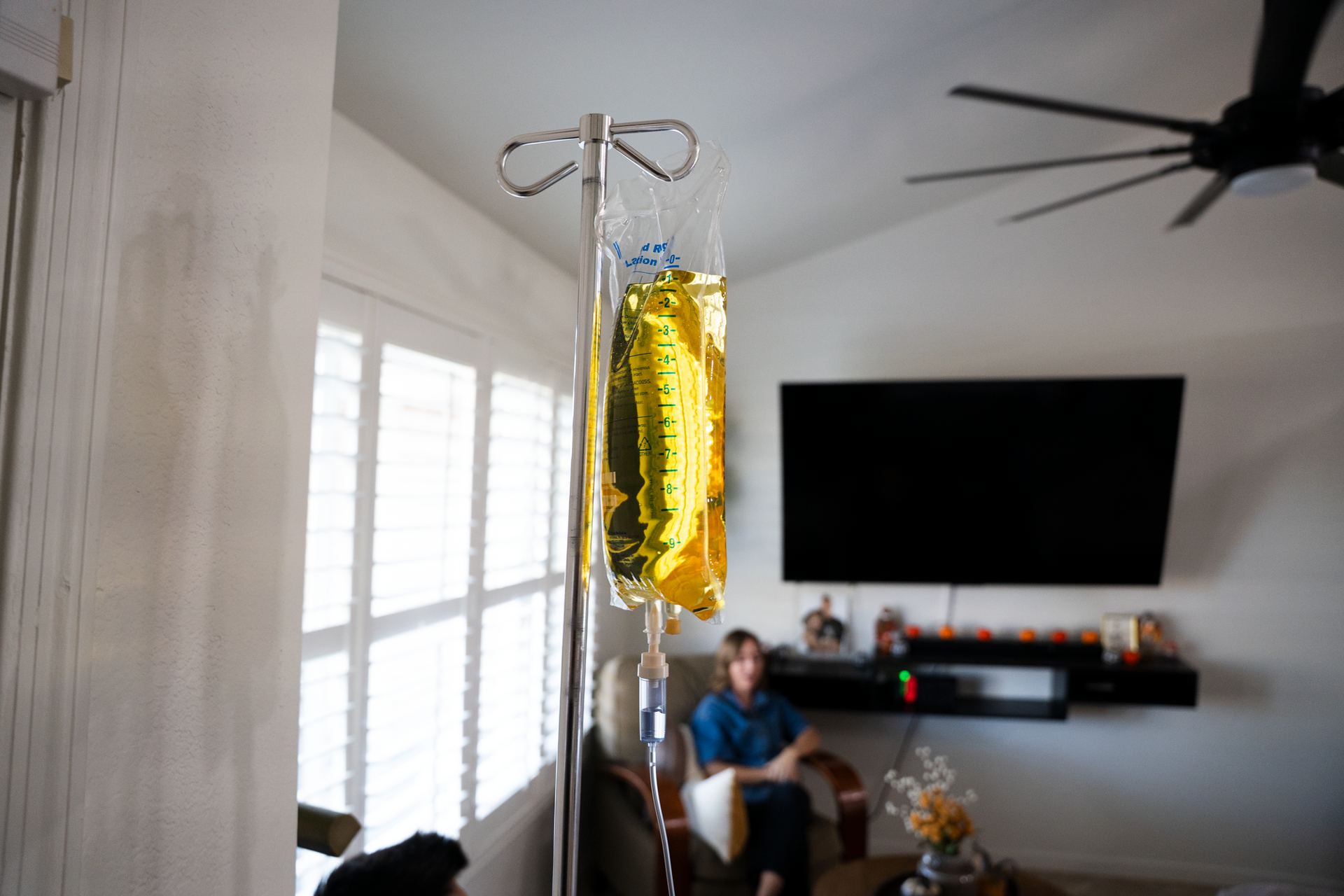
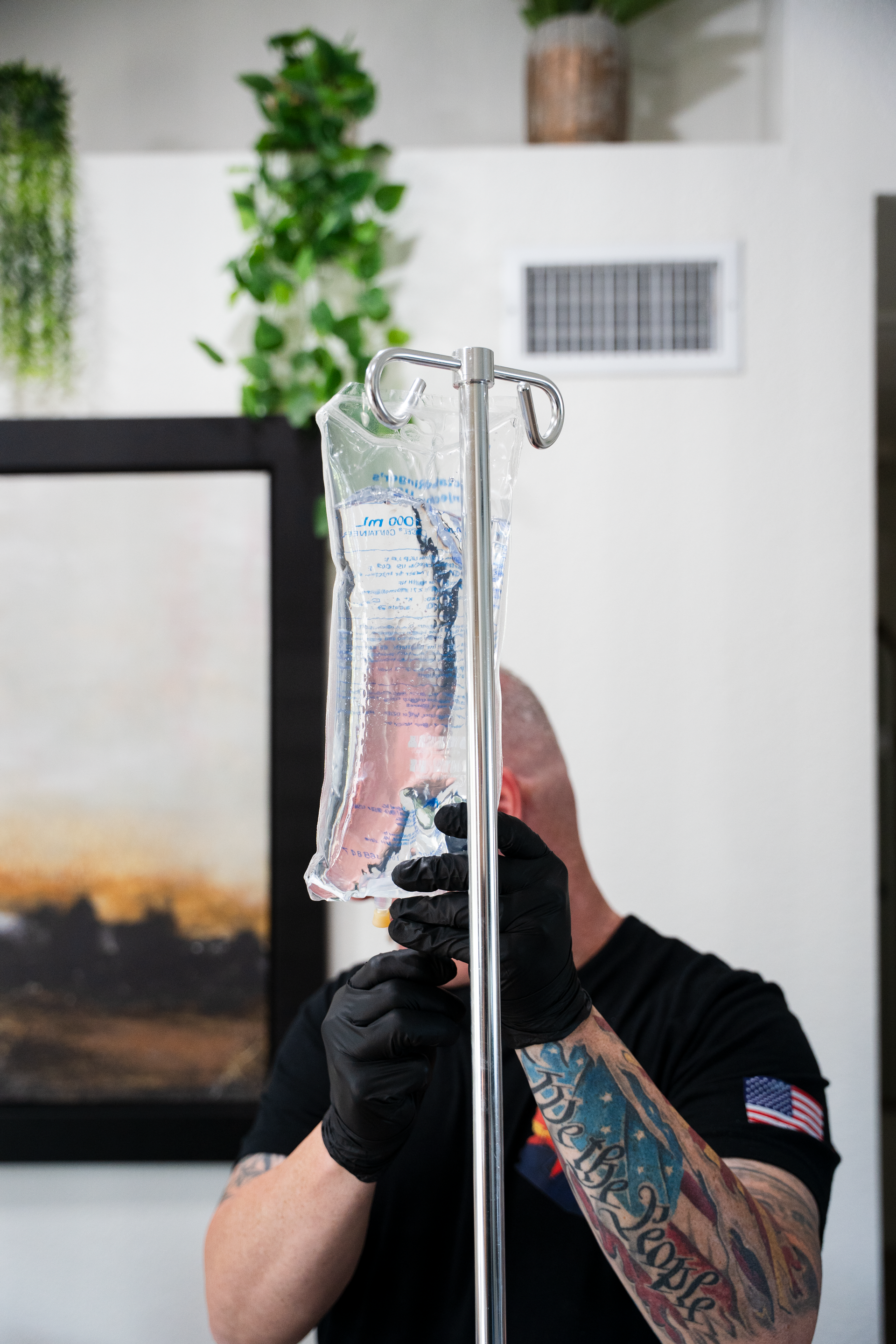
Who Should Not Have One
Some situations make an infusion inappropriate, including pregnancy, dialysis, congestive heart failure, and kidney disease. Certain medications change the picture too.
That is what the health review is for. If you are not a candidate you will be told before anybody drives out and before you have paid anything.
Whoever arrives can also decline on the day. That decision is backed every time, and a booking does not override it.
What Can Go Wrong
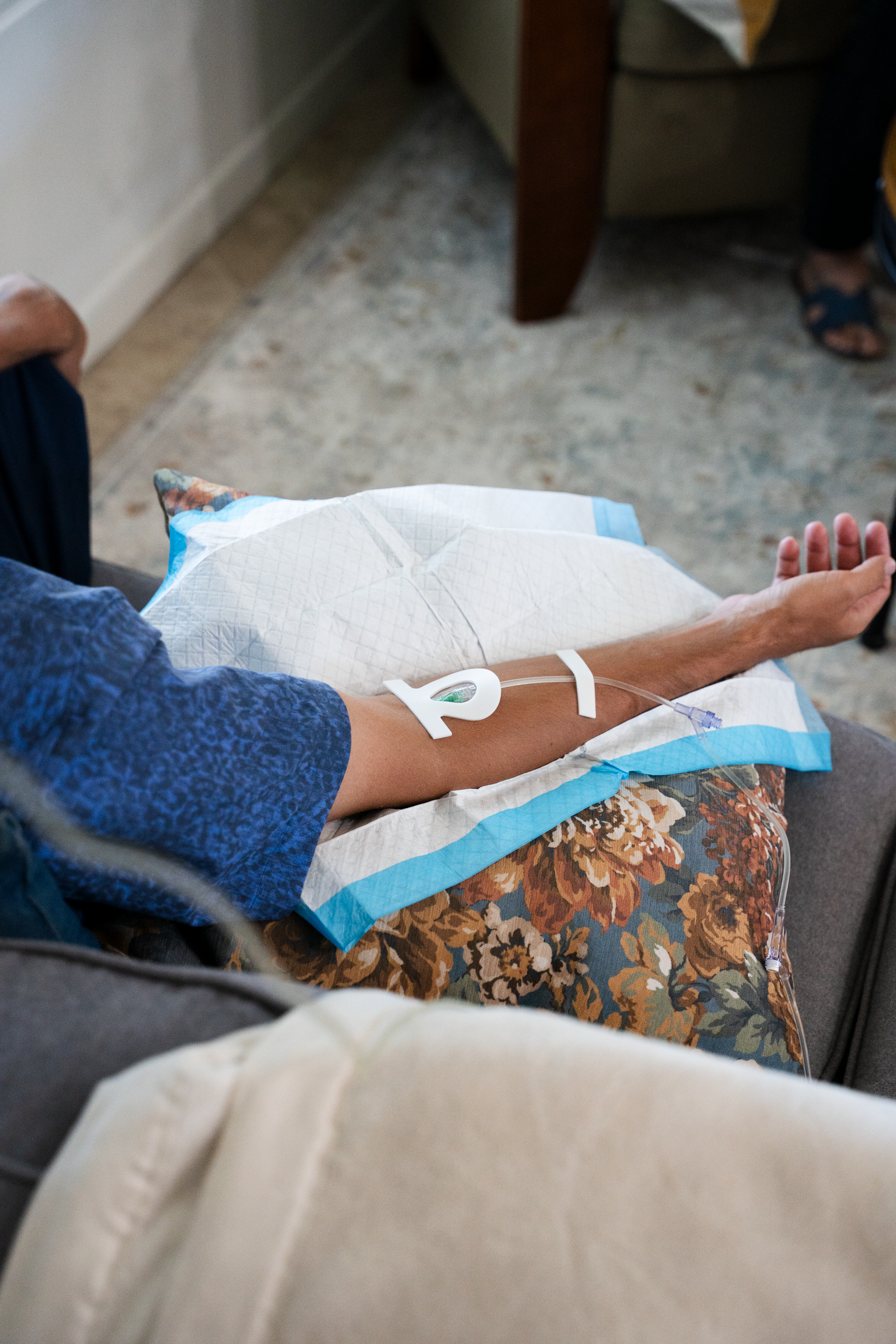
Most commonly, bruising or soreness at the site, which resolves in a day or two. A missed stick happens occasionally, particularly with difficult access, and it is not dangerous.
Less commonly, the fluid can leak into surrounding tissue if the catheter shifts, which is uncomfortable and treated by stopping and restarting elsewhere.
Rarely, a reaction to something in the drip. This is why somebody stays with you, why the review happens first, and why our team is made of people who have managed genuine emergencies.g
Questions Worth Asking Anybody
Who is placing the line, and what is their license or certification. Who is the medical director and are they a physician. Does somebody stay with me for the whole infusion.
What happens if I am not a candidate, and am I charged. Where do the fluids come from. What happens if I react to something.
A company that answers those clearly is worth your business. One that talks about wellness while avoiding them is not.
What to Ask Before You Book Anybody
Who is placing the line and what is their license or certification. Who is the medical director and are they a physician. Does somebody stay for the whole infusion.
What happens if you decide I should not be treated, and am I charged. What is the total price including any call-out or travel fee. And what happens if I react to something.
Those six questions separate the companies worth using from the ones that are not, and any company that finds them awkward has told you something useful.
Arizona Makes This Different
Most of what gets written about IV therapy assumes a temperate climate. Here, dehydration is not an occasional event, it is a background condition for four or five months of the year.
Thirst arrives late, humidity in monsoon season makes sweating less effective, and people who work outdoors carry a deficit that builds across a season rather than a day. That changes who needs this and how often.
The Short Version
If you take one thing from this page, take this. An IV is a useful tool for hydration and nutrient delivery, it is not medicine for a diagnosed condition, and the company giving it to you should be willing to tell you both of those things.
Anyone promising more than that is describing a product rather than a procedure, and in a state this hot there is more than enough honest demand without overselling it.
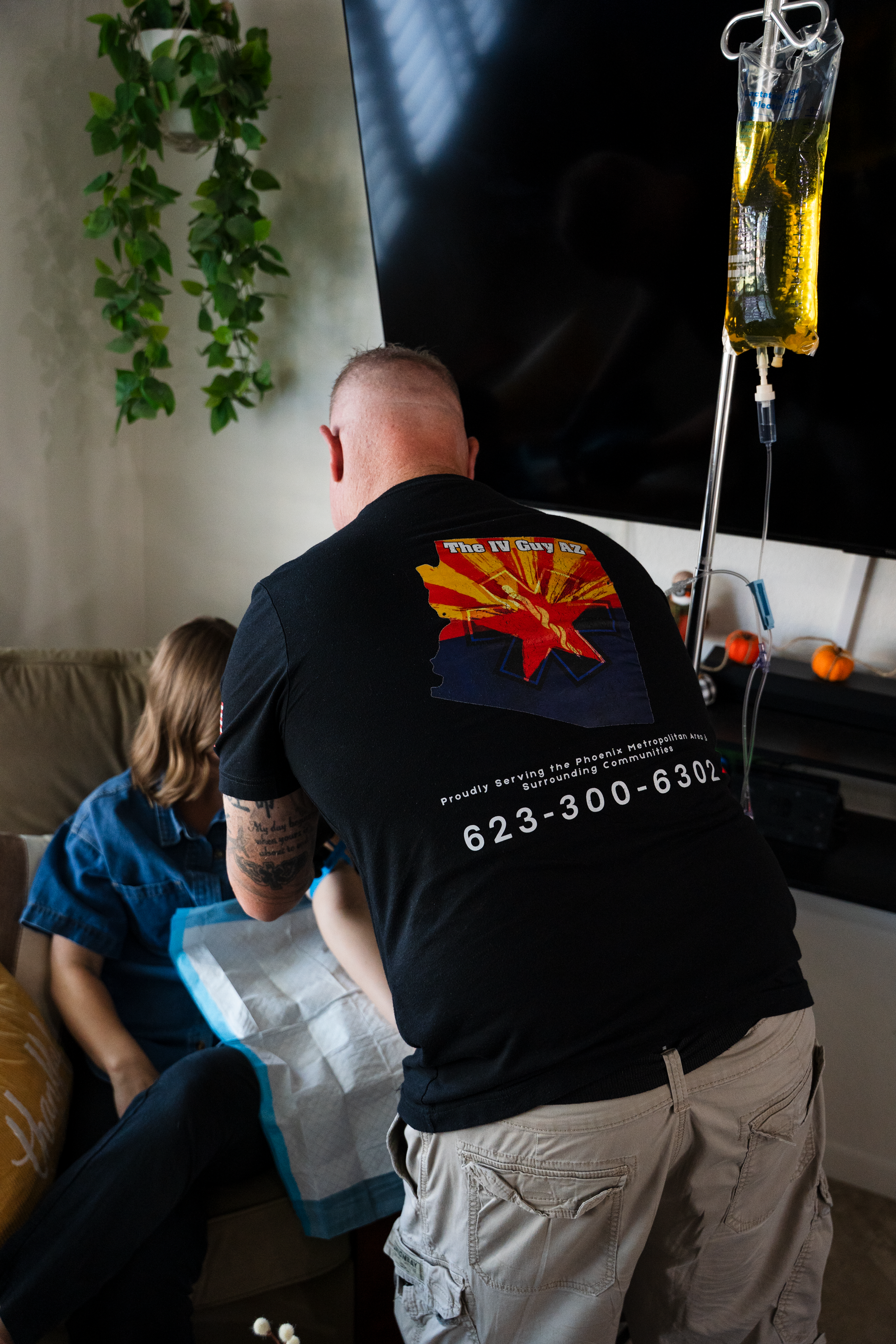
How We Do It
The IV Guy AZ runs 24 hours a day across 22 cities in the Phoenix metro and West Valley. Paramedics and nurses, working under the medical direction of an emergency medicine trained physician, with no call-out charge anywhere in the service area.